The Future of Smart Development in Ras Al Khaimah
Ras Al Khaimah is entering a new stage of development where growth is being shaped not only by scale, but by intelligence.
First published onRAKIS ↗
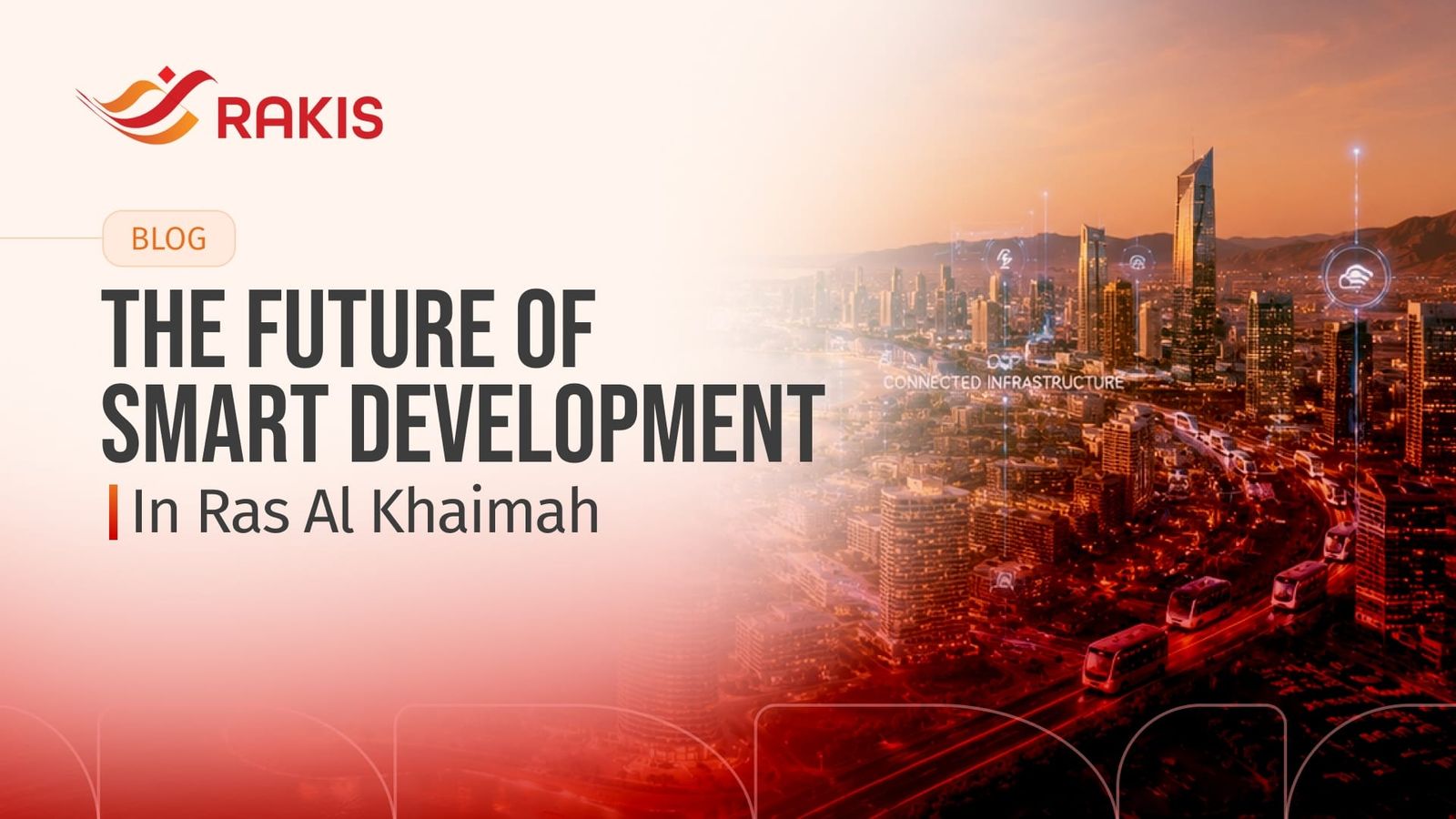
Ras Al Khaimah is entering a new stage of development where growth is being shaped not only by scale, but by intelligence. Across infrastructure, mobility, utilities, manufacturing, and urban planning, the emirate is building a smarter development model that connects digital systems with real-world investment opportunities.
This shift matters because smart development is no longer just a technology story. It is becoming central to how Ras Al Khaimah attracts capital, improves livability, and supports long-term economic diversification, all of which align closely with the strategic direction of RAKIS 2026.
Smart Infrastructure as a Foundation
One of the clearest signs of this shift is the scale of infrastructure modernization already underway. EtihadWE has installed more than 213,000 advanced metering infrastructure smart meters for electricity and water in Ras Al Khaimah, helping improve monitoring, efficiency, and resource management. The company has also announced major water-network rehabilitation investments, including AED 214 million allocated specifically for network replacement in Ras Al Khaimah.
That kind of utility modernization is important because smart development begins with reliable infrastructure. When water, electricity, and network systems become more intelligent, cities can support faster growth, better planning, and more sustainable operations. For investors and developers, that creates a stronger foundation for commercial and mixed-use projects.
Mobility Is Becoming Smarter
Transport is another area where Ras Al Khaimah is moving quickly. In 2026, the emirate introduced Law No. 1 regulating autonomous vehicles, giving RAKTA the mandate to oversee driverless operations and set technical and legal standards. That legal framework is a strong signal that smart mobility is no longer experimental; it is becoming part of the emirate’s planning future.
Trials of robotaxis and robobuses have also shown that autonomous transport is progressing in practical terms, with authorities positioning the technology to reduce congestion, improve efficiency, and support sustainable transport goals. RAKTA’s broader mobility planning, including green transport and digital service platforms, reinforces the idea that smart development in Ras Al Khaimah will increasingly include intelligent movement of people as well as land and capital.
Digital Twins and Planning Tools
Ras Al Khaimah is also using digital tools to communicate and plan growth more intelligently. In late 2025, the emirate unveiled immersive digital tools including a virtual reality experience and a high-resolution digital twin of key development areas such as RAK Central and Al Marjan Island. These tools allow users to visualize current and future development, explore pathways, and understand how projects reshape the urban environment.
This matters for smart development because digital twins make planning more transparent and more collaborative. They help government, investors, developers, and residents understand growth before it happens, which can improve decision-making and reduce friction in the development process. For a summit like RAKIS 2026, that makes digital planning a highly relevant theme.
Smart Industry and Manufacturing
The future of development in Ras Al Khaimah is not limited to urban projects. Industrial growth is also becoming smarter, with major projects such as the Erisha Smart Manufacturing Hub and the Ras Al Khaimah Smart Manufacturing Industrial Park signalling a shift toward advanced industrial ecosystems. These developments point to a future where manufacturing, logistics, and mixed-use planning are more closely integrated.
This is significant because smart development is increasingly about economic design, not just physical construction. By combining industrial scale, digital systems, and sustainable planning, Ras Al Khaimah is building a growth model that can attract international operators while supporting local diversification. That strategic mix is exactly the kind of future-focused story that belongs at RAKIS 2026.
The Role of Innovation Districts
Ras Al Khaimah is also expanding its innovation ecosystem. Innovation City, the emirate’s rebranded and relaunched free zone, is designed to support AI, Web3, digital assets, gaming, robotics, and healthtech businesses. That broadens the smart development conversation beyond infrastructure and into the digital economy itself.
For smart development, this is an important complement. Physical infrastructure, data systems, and advanced business zones work best when they grow together. In Ras Al Khaimah, that means future development can be supported by both hard assets and innovation platforms, creating a more resilient and diversified ecosystem.
Why This Matters for RAKIS 2026
RAKIS 2026 is positioned as the Northern Emirates’ premier investment & trade platform, with smart infrastructure, advanced technologies, sustainable solutions, and strategic investment opportunities among its key themes. That makes smart development in Ras Al Khaimah especially relevant for the summit’s audience of investors, developers, government entities, and industry leaders.
The bigger message is that smart development is now a competitive advantage. Cities that can combine utility intelligence, digital planning, autonomous mobility, industrial innovation, and investment-ready land use will be better placed to grow sustainably. Ras Al Khaimah is already moving in that direction, and RAKIS 2026 offers the right platform to showcase it.
The future of smart development in Ras Al Khaimah is being shaped by practical progress, not abstract ambition. Utility upgrades, autonomous transport regulation, digital twins, smart manufacturing, and innovation districts are all contributing to a more connected and future-ready emirate. Betika official registration page