Germany Launches ‘SIB:DE FORSCHUNG’ to Advance Sodium-Ion Battery Technology
First published onEuro EV Show ↗
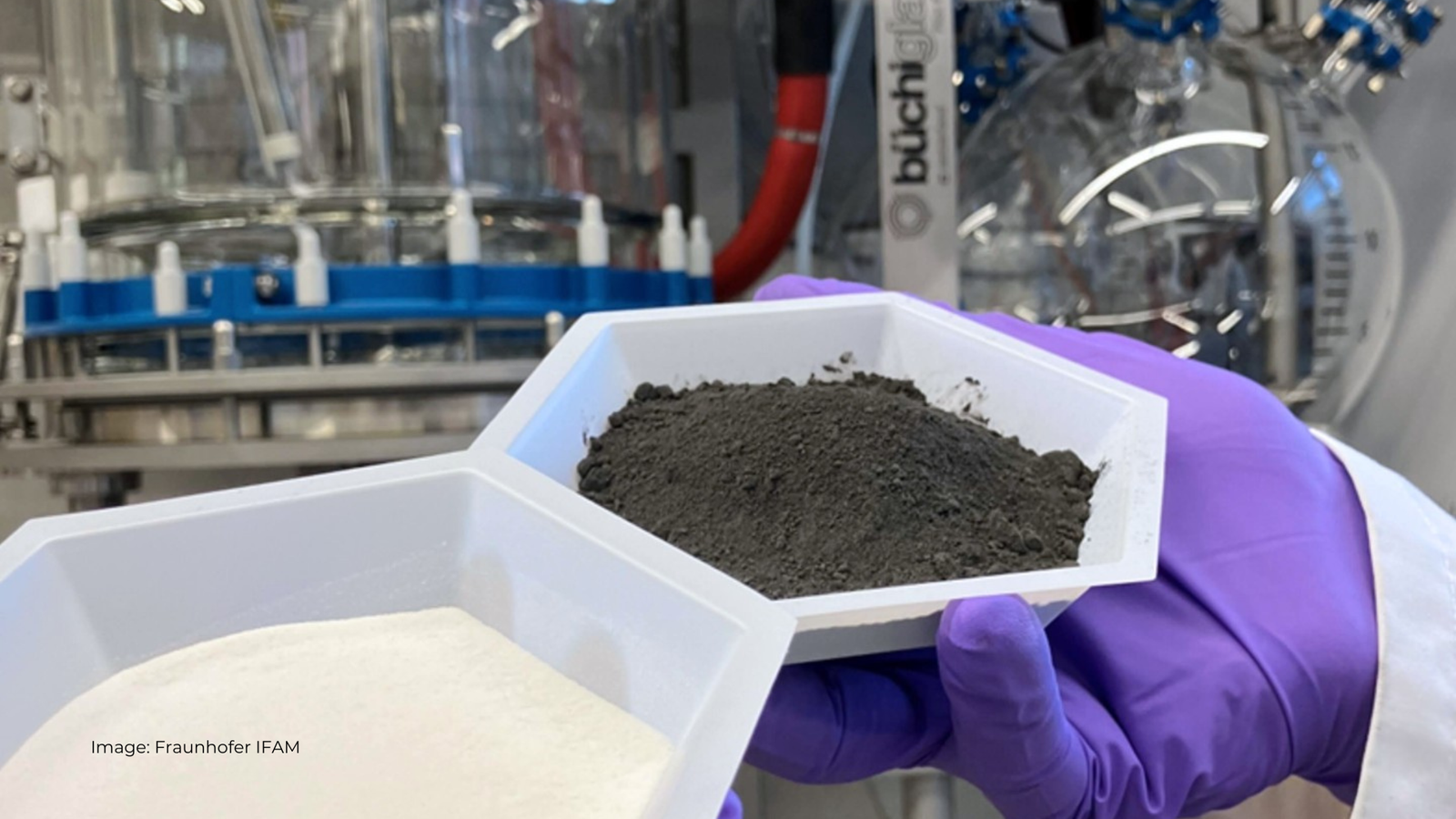
Bremen, 06 February 2025: Germany has officially launched the ‘Sodium-Ion-Battery Deutschland-Forschung (SIB:DE FORSCHUNG)’ project to assess the potential of sodium-ion battery technology in the European energy and mobility transition. The initiative aims to accelerate industrial implementation by bringing together leading experts from both academia and industry.
Funded by the German Federal Ministry of Education and Research (BMBF) with an allocation of €14 million, the project consists of 21 national partners, including seven industrial and 14 academic institutions, along with 42 associated partners. The Fraunhofer Institute for Manufacturing Technology and Advanced Materials (Fraunhofer IFAM), a key participant in the project, has confirmed that BASF, the largest chemical producer in the world, is overseeing the coordination, making it Germany’s largest research consortium dedicated to sodium-ion battery development.
Sodium-ion batteries are emerging as a safer, more sustainable, and cost-effective alternative to lithium-ion batteries. Unlike lithium, sodium is widely available, inexpensive, and free from supply chain vulnerabilities that currently favor Asian manufacturers. By investing in sodium-ion battery technology, Europe aims to strengthen its energy independence and establish a secure, domestic supply chain for next-generation battery production.
The SIB:DE FORSCHUNG project has several primary objectives. First, it seeks to identify scalable active materials that can deliver competitive cell performance. Additionally, the project will develop demonstration cells that can be seamlessly integrated into existing lithium-ion battery production processes. To ensure a smooth transition from research to commercialization, the project follows a structured division of responsibilities. Academic partners will focus on material science and cell technology, while industry partners will work on scaling up materials and developing commercially viable battery formats.
By 2027, the project aims to provide clear recommendations for an industrially viable sodium-ion battery production process. This will set the stage for the follow-up project, ‘SIB:DE ENTWICKLUNG,’ which will focus on production research and further commercialization efforts.
By investing in large-scale research initiatives like SIB:DE FORSCHUNG, Germany is positioning itself as a leader in the global battery race, ensuring European innovation, sustainability, and market competitiveness in the future of energy storage.