Nearly £7.0bn allotted to upgrade UK’s public transport system

First published onLondon EV Show ↗
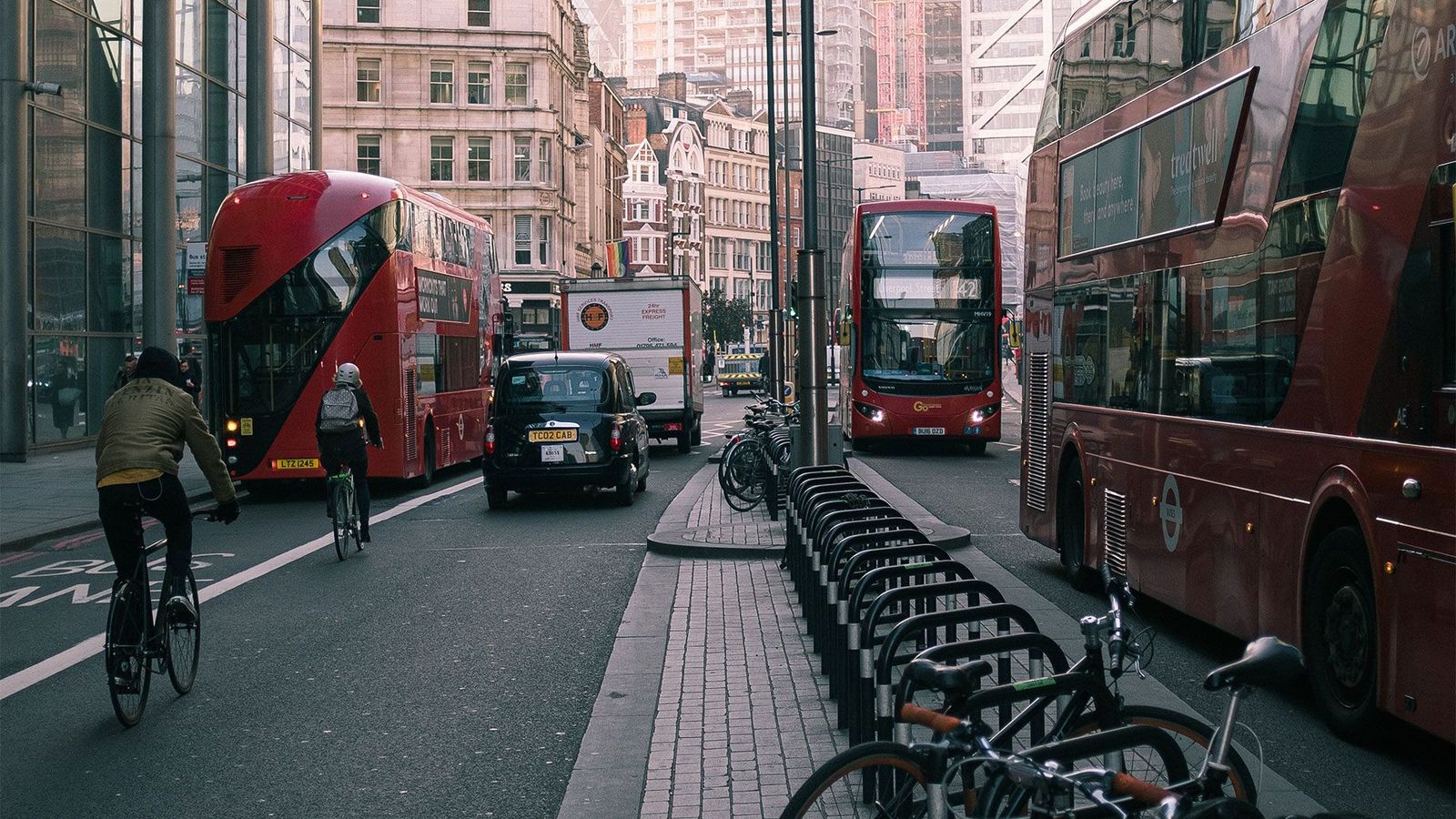
Rishi Sunak, Chancellor of the Exchequer announced his transport spending plans in the Autumn Budget speech on Wednesday 27th October and committed £6.9bn towards train, tram, bus and cycle projects when he set out his spending plans.
Areas such as Greater Manchester, the West Midlands and South Yorkshire will be given nearly £7 billion for projects ranging from tram improvements to introducing London-style improvements in infrastructure, fares and services.
- A part of the allotment, Greater Manchester will obtain nearly $1.47bn (£1.07bn) for Metrolink tram-train vehicles - London-style transport system.
- West Midlands will receive almost $1.44bn (£1.05bn) to extend its metro, comprising the completion of the Wednesbury to Brierley Hill extension.
- Tees Valley will get $426.37 (£310m) to build Darlington and Middlesbrough train stations comprising the region’s rail links.
- Around $976.53m (£710m) will be allotted to the Liverpool City Region, which will be used for renewing stations in Liverpool and Runcorn and for the execution of an interchange project at St Helen’s.
- Additionally, South Yorkshire will receive approximately $783.98m (£570m) for the implementation of a Supertram restoration project
- £830 million given to West Yorkshire and Scotland, Wales, and Northern Ireland will also receive additional funding through the Barnett formula.
Some £5.7 billion of investment over five years in eight City Regions, including West Yorkshire, Greater Manchester, Liverpool City Region and the Tees Valley, through City Region Sustainable Transport Settlements. While the £1.2bn funds to make bus services more economical and common is part of The Prime Minister’s 10-point plan to accelerate the transition to greener and more sustainable transport.
However, the Confederation of Passenger Transport (CPT) has drawn special attention to the slow pace of the rollout of funding towards the 4,000 zero-emission buses (ZEBs) that form a centrepiece of National Bus Strategy for England policy. CPT says that the release of an initial £1.2bn “falls considerably short” of what is needed, noting that ministers’ “rhetoric is unfortunately not being balanced by reality.”
The Confederation is requesting Mr Sunak to use the lateral Spending Review to “set out the full picture for how the ambition that we share with the government to improve services will be delivered, including a long-term roadmap toward 4,000 ZEBs.”
In publishing the delivery of the first £1.2bn, the Treasury says that the money will deliver “Transport for London-style improvements” to the areas that it serves. The locations that will benefit from the funding “will be selected in the future months.”
Mayor of the West Midlands, Andy Street, stated that he was "unquestionably thrilled" to accept the funding, which he said was the most extensive single transport sum the area had ever taken.
"From more metro lines and train stations to new bus routes and electric vehicle charging points, this cash will help us to continue to establish a clean, green transport network that connects communities and undertakes the climate emergency."
As the UK's transition into decarbonisation and more sustainable transport is the foremost step to deliver faster, better value services creating opportunities for a greener and inclusive economy.


