
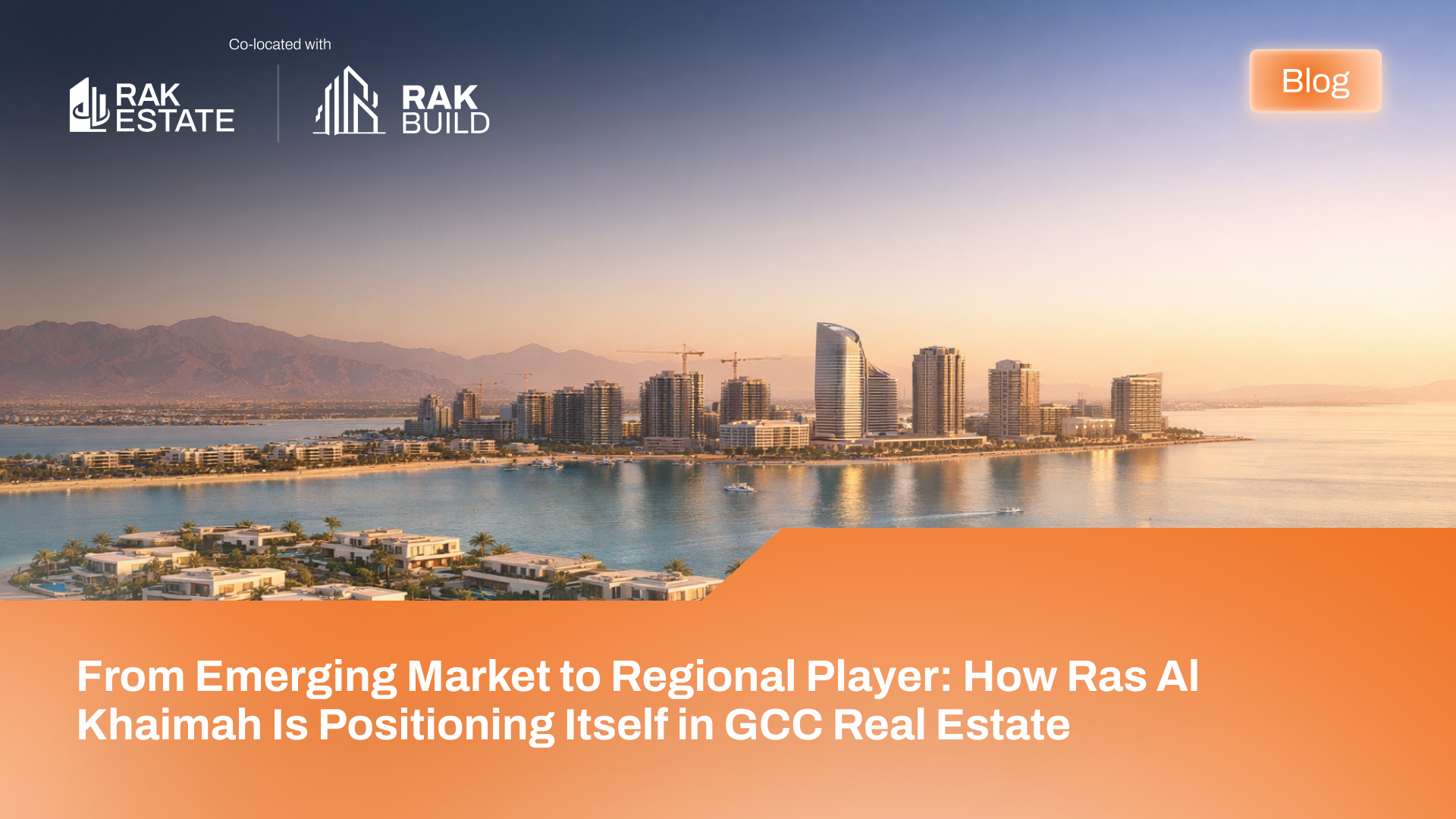
Ras Al Khaimah has long occupied a distinctive space within the UAE's real estate landscape. Smaller and quieter than Dubai or Abu Dhabi, it has traditionally attracted investors seeking affordability and lifestyle appeal without the intensity of the major hubs. However, recent market dynamics, strategic government initiatives, and landmark project announcements have elevated RAK's profile significantly. With 15-20% price growth forecast for 2026, record-breaking sales from major developers, and international resort brands breaking ground, Ras Al Khaimah is transitioning from emerging market to established regional player, a development that investors, developers, and advisors will be watching closely at RAK Estate 2026.
This positioning shift is not accidental. It reflects deliberate strategies around pricing, product quality, infrastructure, and international branding that are differentiating RAK within the competitive GCC real estate arena.
Market Momentum: Numbers That Speak Volumes
Ras Al Khaimah's real estate market has shown remarkable momentum. Property prices are forecast to rise 15 to 20 percent in 2026 due to tight supply and strong demand across all segments. Off-plan sales reached record levels in 2025, with RAK Properties alone posting AED 3.36 billion ($914.9 million) in sales, up significantly from previous years. Coastal areas like Al Marjan Island are nearly sold out, pushing buyer interest toward emerging hotspots such as Raha Island and Mina Al Arab. Rental yields remain competitive at 7 to 8 percent, particularly strong for waterfront villas and townhouses catering to the short-term rental market fueled by growing tourism.
These figures position RAK favorably against other GCC markets. While Dubai and Abu Dhabi command premium pricing, RAK offers entry points 30 to 40 percent lower alongside comparable lifestyle amenities and infrastructure upgrades. Compared to Riyadh and Doha, RAK demonstrates stronger price momentum and tourism fundamentals, making it attractive for investors seeking growth potential over established stability.
Strategic Advantages: What Sets RAK Apart
RAK's positioning leverages several structural advantages within the GCC context. First, land availability remains plentiful compared to land-constrained Dubai, enabling larger-scale master-planned communities rather than high-density towers. This appeals to family buyers and international investors prioritizing space and quality of life.
Second, RAK benefits from proximity to Dubai (just 60 minutes by car) while maintaining distinct pricing and regulatory advantages. The emirate's investor-friendly policies, including long-term visas and streamlined approvals, mirror UAE federal initiatives but with faster processing times and lower barriers to entry.
Third, tourism infrastructure investments are creating a virtuous cycle. Major resort announcements like Wynn Al Marjan Island, Hard Rock Hotel, and Four Seasons are driving short-term rental demand while elevating RAK's global brand recognition. With visitor numbers projected to reach 5 million annually, hospitality-led growth supports residential and mixed-use development pipelines.
Product Evolution: Quality Over Volume
RAK developers have shifted from quantity-driven supply to quality-led differentiation. Early projects focused on affordable plots and basic apartments. Current offerings emphasize branded residences, wellness communities, and waterfront lifestyle destinations designed to compete with established players like Emaar and Sobha.
This evolution targets specific buyer segments. International investors seek turnkey investment products with rental income guarantees. Regional HNWIs prioritize family compounds with private beaches and golf access. End-users demand smart-home integration, green certifications, and proximity to international schools. Developers like RAK Properties and Al Hamra have responded with master-planned districts rather than isolated towers, creating self-sustaining ecosystems that retain value over market cycles.
Infrastructure as a Force Multiplier
Government investment in connectivity underpins RAK's transformation. The Sheikh Mohamed bin Zayed Road upgrades, RAK Airport expansion, and planned rail connections enhance accessibility from Dubai and northern emirates. Domestic ferry services linking Al Marjan Island and mainland districts improve resident convenience while supporting tourism flows.
Utilities and digital infrastructure have also advanced significantly. FEWA's grid modernization supports increased density and electrification demands. High-speed fiber rollout enables smart community features expected by premium buyers. These improvements reduce development risk while enhancing asset appeal to institutional capital focused on operational efficiency.
Institutional Capital and International Interest
RAK's maturation is attracting sophisticated capital beyond traditional regional buyers. Family offices from Saudi Arabia, Kuwait, and Qatar increasingly allocate to RAK for diversification from overexposed Dubai portfolios. European and Asian funds explore RAK through hospitality-linked residential plays, drawn by marquee operator involvement and favorable yields.
The emirate's inaugural Global Real Estate Investment Summit in October 2025 signaled this shift, drawing institutional players seeking emerging opportunities within established jurisdictions. Transparent land registries, escrow protections, and RERA oversight align RAK with global best practices while maintaining competitive pricing.
Competitive Positioning Within GCC Markets
RAK occupies a unique niche among GCC hubs:
Versus Dubai: Lower entry costs (30-40% discount), similar lifestyle amenities, less market saturation risk
Versus Abu Dhabi: Faster transaction timelines, stronger tourism upside, more flexible zoning
Versus Riyadh/Doha: Proven UAE regulatory framework, established tourism infrastructure, coastal lifestyle advantage
This positioning appeals to three investor profiles: value-conscious growth capital, hospitality yield plays, and long-term family office allocations seeking generational wealth preservation.
Challenges and Calculated Risks
RAK faces execution risks typical of rapid-growth markets. Infrastructure must scale with residential momentum to avoid oversupply scenarios. Tourism projections depend on successful resort openings and marketing execution. Developer quality varies, requiring buyer diligence beyond brand names.
However, government coordination across planning, utilities, and tourism mitigates these risks more effectively than less-centralized emerging markets. RAK's smaller scale enables agile decision-making compared to mega-markets constrained by legacy infrastructure.
RAK Estate 2026: The Platform for Regional Ambition
RAK Estate 2026 arrives as Ras Al Khaimah solidifies its regional positioning. The event connects investors, developers, master planners, and policymakers during a pivotal growth phase. Attendees gain direct access to project pipelines, off-plan launches, and government roadmaps shaping RAK's next decade.
For those evaluating GCC opportunities, RAK Estate offers unmatched clarity on how Ras Al Khaimah converts market momentum into sustained value creation. From coastal sellouts driving 20 percent price growth forecasts to institutional capital testing new allocations, RAK represents calculated ambition within a proven framework.
Ras Al Khaimah's journey from emerging market to regional contender reflects strategic execution across policy, product, and partnerships. As GCC real estate investors recalibrate portfolios for the next cycle, RAK merits serious consideration alongside established hubs.